
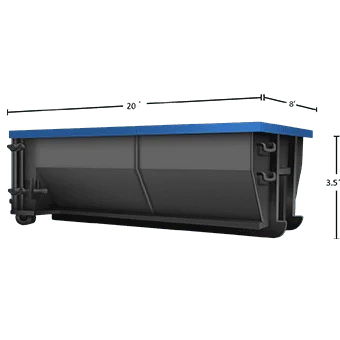
Define the material stream, not just the size of the job
A household cleanout, building renovation and landscaping project can create very different loads. Separate the main material types in your description and identify anything unusually heavy or bulky. Volume describes how much room debris occupies; weight is a different limit. An estimate based only on floor area or the number of rooms may miss that distinction.
Ask which materials the offered service accepts and whether any must remain separate. Do not assume that everything removed from a property belongs in the same container. If a substance is unknown or potentially hazardous, set it aside for appropriate professional advice rather than mixing it into the load. Acceptance and disposal terms need confirmation before loading begins.
Choose a permitted position that remains useful during the work
Tell the provider whether the proposed standing area is your driveway, a shared property area or somewhere under another party’s control. Obtain the relevant property permission and check any public-space requirements with the responsible authority. Ordering a container does not authorize occupying a road, sidewalk, easement or another owner’s land.
Discuss a stable surface, the approach for the handling vehicle and room to place and remove the container. Include gates, overhead obstacles, slopes and surfaces that could be affected. Ask about any appropriate surface protection with the provider and owner; do not assume the rental prevents damage or that a protective material makes every location suitable.
Keep loading from blocking the rest of the site
Place the loading activity within the work plan so people are not carrying debris through a guest route or active vehicle movement. Retain parking, emergency access and any restroom service route. The container body is not the full working space: loading access and vehicle handling must remain practical after other supplies arrive.
Confirm who loads the container and what the service does not include. Follow the provider’s accepted-material and loading-level instructions, and keep unauthorized dumping from changing the agreed load. If the material type or project scope changes, ask before continuing rather than treating spare space as permission to add anything.
Make disposal and collection part of the quote comparison
Request the offered container specification, rental period, material acceptance, included weight or disposal allowance and any exclusions in writing. Ask how extra time, a changed load, an exchange or an obstructed visit would be handled. Compare those inclusions before comparing quotations; a container-only description can omit important parts of the job.
Agree how pickup is requested and what makes the load ready for collection. Keep the handling area clear and report any access change before the vehicle arrives. An enquiry is not a confirmed booking, and this planning page does not establish equipment availability for a particular address or date.
Questions before you book
Can one dumpster take every material from my renovation?
Not necessarily. Give the provider the material list and ask about excluded items or separate loads. Confirm acceptance before placing anything uncertain in the container.
Is a larger container always the best choice?
No. Consider the material’s weight, the usable site position, loading method and the offered allowances as well as volume.
Does the order include labor to carry debris out of the building?
Do not assume loading or removal labor is included. Confirm responsibilities separately from delivery, container hire and disposal.
Can toilets and a dumpster share a project enquiry?
Yes. Describe both, but keep the restroom care plan and the debris loading/disposal scope distinct. Their vehicles and users may need different access.