
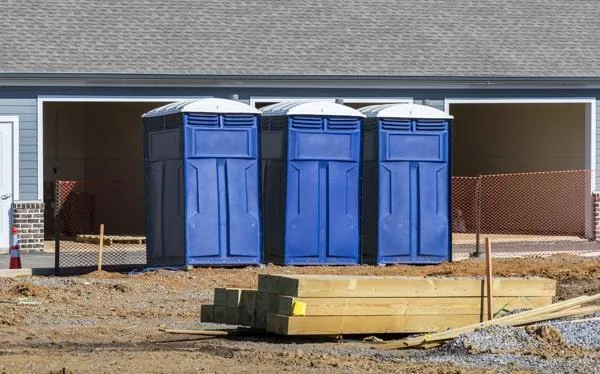
Record the accepted position before equipment arrives
Mark where the unit will stand, who will receive it and how the provider should approach. Review ground conditions, overhead obstacles, gates and turning constraints with the supplier. The equipment needs a stable position and enough space for its actual doors and handling, not simply an unused corner.
Trace a separate walking route from the work area. Avoid forcing workers through loading activity or into a vehicle lane to reach the facilities. Include the actual approach for accessible equipment and the wash point; neither should become an afterthought once other site equipment is placed.
Check what changes when the site becomes busy
Materials stacked beside a gate, a parked delivery vehicle or a new temporary barrier can block a route that was clear at setup. Include the toilet and washing area when reviewing the day’s movements. Check the entrance, doors and queues as well as the space where the unit itself stands.
If a change is needed, tell the provider about the new work and access conditions before moving the equipment. Site staff should not improvise lifting, towing or a new connection. Agree the revised position and how it will be serviced, including any change to the quoted arrangement.
Know which daily checks belong to the site contact
Standard cabins hold toilet waste in a tank for professional service. The agreed care may include pumping, cleaning and replenishing toilet paper. A separate wash station needs water, soap, drying supplies and used-water handling. Confirm those tasks and the visit scope for the actual equipment.
Between visits, the site contact can notice and report low supplies, blocked access, damage or an unusable facility. Those observations help resolve a problem; they are not a substitute for the contracted service or an instruction to empty equipment. Give the provider timely information if use rises or the original care plan no longer fits.
Keep the last visit in the demobilization plan
Identify who will remain responsible when crews and temporary fencing leave. Confirm pickup with the provider and make the approved route available. Removing a gate key, closing an entrance or filling the final loading area before collection can prevent the agreed visit.
Review the rental dates, planned care and collection when the programme changes. A project finishing early does not itself confirm earlier pickup, and work continuing does not automatically extend the hire. Discuss the change and any applicable terms before relying on a different schedule.
Questions before you book
Can the crew move a cabin to clear a work area?
Coordinate the change with the provider first. The new position, handling method and servicing access need review; do not improvise a relocation.
What should be reported between service visits?
Tell the provider about an unusable or damaged unit, low supplies, changing demand or blocked access. Keep users informed of any unusable facility through the site’s own arrangements.
Who should handle collection after the site manager leaves?
Nominate a replacement contact with the agreed access information. Keep the receiving and removal responsibilities clear through the final visit, even if most of the work is finished.