
What the basic cabin does—and what needs a separate answer
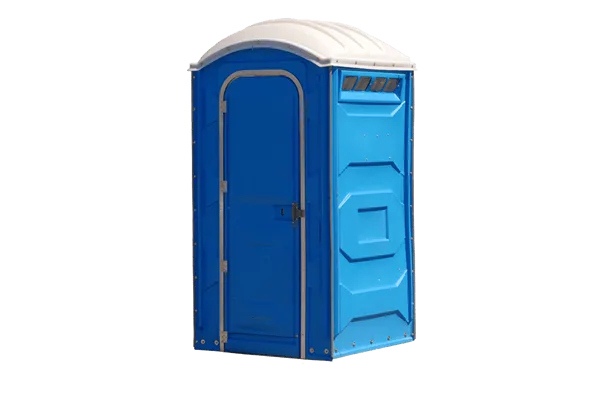
A conventional standard unit provides a private toilet enclosure with waste held in its tank rather than discharged through a building sewer connection. Its relatively simple arrangement can suit a working crew, a property project or an outdoor gathering. Confirm the actual unit being offered: a standard description does not establish flushing, a sink or any particular internal fittings.
Hand sanitizer and soap-and-water washing are different provisions. If users do not have a suitable sink nearby, discuss a separate handwashing station or a specified sink-equipped option. Include replenishment and used-water handling in that decision, rather than treating a station as a container that can be left unattended for the whole rental.
Keep the simple option where it fits; change it where it does not
For a crew, describe shift patterns, breaks and any bathroom that workers are actually allowed to use. For guests, consider the busiest part of the gathering and who may need a wider or step-free arrangement. A small group does not eliminate an individual access requirement, and more standard cabins do not replace an appropriate accessible unit.
Compare an accessible model for its entrance and maneuvering provision, a deluxe cabin for its confirmed additional features, or a trailer when the event calls for a different experience. Those choices have different space and service implications. Do not pay for a label without understanding the offered equipment, and do not choose solely from a photograph.
Check the doorway and the service route, not just the footprint
A position must let users reach and open the cabin while leaving an agreed stable standing surface. Keep it clear of moving work, delivery unloading and busy pedestrian passages. Show the provider any gate, soft surface, slope or overhead obstruction before accepting a placement plan; a cabin fitting behind a fence does not mean it can be delivered and serviced there.
Give the receiving person a clear location reference and keep that area available on delivery day. If a project changes the access route later, discuss relocation with the provider before equipment is moved or a service visit is obstructed.
Match care to the period of use
Ask how cleaning, waste removal and toilet-paper replenishment will be arranged for the expected use. An equipment check by the site contact can identify a low supply or damaged cabin, but it is not a substitute for agreed professional servicing. Report an unusable unit and keep people away from a damaged or unstable one.
The written quote should identify the unit type and quantity, rental dates, delivery, pickup and care scope. Ask what changes if use increases or collection moves. Keep removal access open after the last user leaves and confirm the pickup request rather than assuming the end date alone triggers collection.
Questions before you book
Does a standard unit need a sewer hookup?
A conventional holding-tank cabin generally does not. Confirm the offered model and its separate servicing needs; that does not establish how any washing station or other equipment is supplied.
Can I use the same arrangement for a weekend and a longer project?
The equipment might be suitable for both, but duration, people using it, supplies and servicing need their own review. A short event plan should not simply be extended without discussing care.
What should I send before requesting a quote?
Send the location, dates, likely users, existing usable bathrooms and access details. Mention washing and accessibility requirements so the quote addresses more than the cabin alone.